
Bloomingdale Lawn Mowing Services
Choose our lawn mowing service for reliable, professional care that keeps your yard looking its best all season long—enjoy more free time and a healthier, greener lawn without the hassle.
Get a Free QuoteOur Bloomingdale Landscaping & Yard Care Services
When to Schedule Lawn Mowing in Bloomingdale, IL – Seasonal Guide
In Bloomingdale, IL, the timing of your lawn mowing schedule is closely tied to our unique local climate and landscape. The growing season typically begins in late April, after the last frost, and extends through October. Early spring mowing should be delayed until the soil has dried out and grass begins active growth, which can vary depending on the microclimate of your neighborhood—whether you’re near the shaded lots of Old Town or the open spaces around Springfield Park. Summer brings periods of high humidity and occasional drought, so mowing frequency may need to be adjusted to avoid stressing your lawn, especially in areas with sandy or compacted soils.
Local environmental factors such as tree canopy density in neighborhoods like Indian Lakes, the risk of late spring frosts, and municipal watering restrictions all play a role in determining the best mowing schedule. It’s also important to consider the impact of heavy rainfall or extended dry spells, which can affect both grass growth and soil health. For up-to-date information on local ordinances and seasonal guidelines, residents can consult the Village of Bloomingdale Official Website.
Local Factors to Consider for Lawn Mowing in Bloomingdale
- Tree density and shade coverage (affects grass growth rate and moisture retention)
- Soil type (clay, loam, or sandy soils influence mowing frequency)
- Proximity to water features or low-lying areas (risk of soggy soil)
- Precipitation patterns and drought risk
- Neighborhood-specific microclimates (e.g., near parks or wooded areas)
- Municipal restrictions on watering or mowing times
- Terrain and slope (impacts mowing safety and technique)
Benefits of Lawn Mowing in Bloomingdale
Professional Lawn Care Experts
Consistent Scheduling
Enhanced Curb Appeal
Time-Saving Services
Eco-Friendly Practices
Reliable Local Service
Bloomingdale Lawn Mowing Types

Standard Lawn Mowing
-
Mulching Mower Service
-
Bagging and Clipping Removal
-
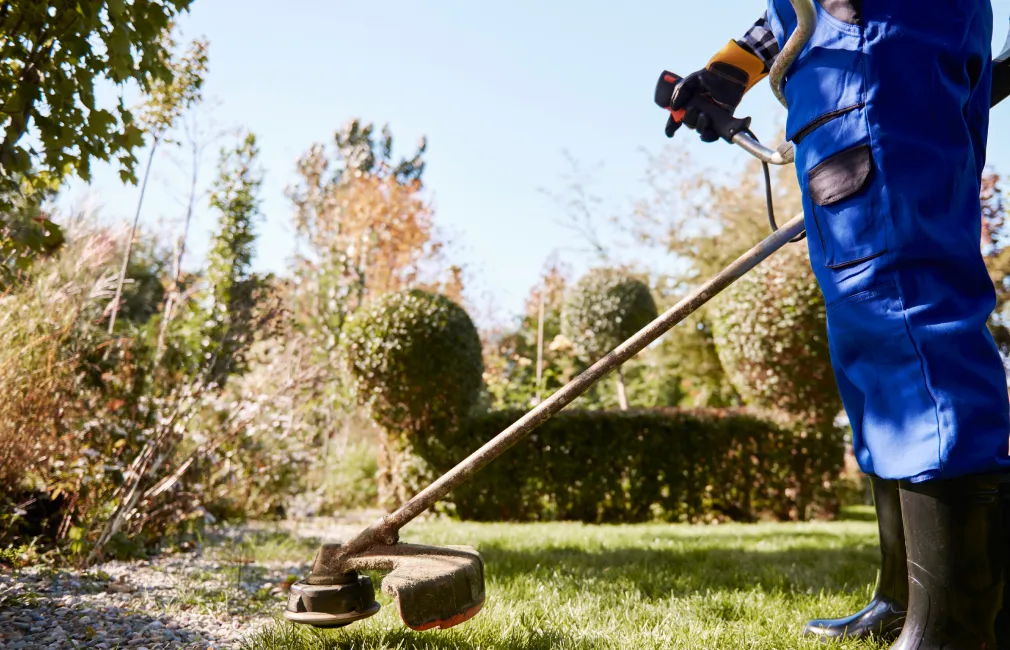
Edging and Trimming
-
Commercial Property Mowing
-
Seasonal Clean-Up Mowing
-
Custom Pattern Mowing
Our Lawn Mowing Process
Site Evaluation
Lawn Preparation
Mowing Execution
Edging and Trimming
Cleanup
Why Choose Bloomingdale Landscape Services
-
Bloomingdale Homeowners Trust Us
-
Expert Lawn Maintenance
-
Reliable Seasonal Care
-
Competitive Pricing
-
Professional Team
-
Satisfaction Guarantee
-
Personalized Service
Contact Bloomingdale’s Department of Public Works for Grass Clipping Management & Municipal Composting Programs
Bloomingdale’s approach to grass clipping management emphasizes both environmental stewardship and regulatory compliance. Grasscycling is strongly promoted, returning 25% of a lawn’s annual nitrogen needs and reducing fertilizer requirements by 25%. Seasonal yard waste collection runs from April through November, requiring the use of paper bags or rigid containers—plastic bags are strictly prohibited. Residents can participate in municipal composting programs, with finished compost and mulch available for community use. These initiatives are coordinated with local sustainability goals and waste reduction strategies. Strictly prohibited is the disposal of clippings in streets or storm drains, protecting the Lake Michigan watershed and ensuring compliance with the Illinois Environmental Protection Act (415 ILCS 5).
Bloomingdale Department of Public Works
201 S. Bloomingdale Rd, Bloomingdale, IL 60108
Phone: (630) 671-5800
Official Website: Bloomingdale Public Works Department
Professional Mowing Standards & Turf Health Principles for Bloomingdale’s Heavy Clay Soils
Professional mowing in Bloomingdale is guided by USDA soil survey data, which identifies heavy clay soils (such as Drummer silty clay loam) as predominant. These soils require careful timing to avoid rutting and compaction. Mowing height standards are species-specific:
- Kentucky bluegrass: 2.5–3.5 inches
- Perennial ryegrass: 2–3 inches
- Turf-type tall fescue: 3–4 inches (for drought tolerance)
- Fine fescue: 2.5–3.5 inches The One-Third Rule—never removing more than one-third of the grass blade in a single mowing—is essential for turf health. Equipment must be maintained with blades sharpened every 20–25 hours of use. Regular turf assessments should monitor for grubs, billbugs, fungal diseases, and drought stress, with support from University of Illinois Extension for diagnostics.
Bloomingdale Environmental Commission Guidelines for Mowing Near Wetlands & Protected Areas
The Bloomingdale Environmental Commission oversees mowing practices near sensitive areas, requiring buffer zones of 10–25 feet from water bodies and the establishment of no-mow zones where mandated. Seasonal restrictions protect wildlife during the March–August breeding season. Erosion control is critical on slopes, with a minimum mowing height of 3–4 inches—especially important for heavy clay soils prone to runoff. Habitat integration is encouraged through prairie restoration and pollinator gardens, and coordination with DuPage County Forest Preserve District or Cook County Forest Preserve District is recommended for properties near preserves. These measures support biodiversity and water quality in the Lake Michigan watershed.
Bloomingdale Environmental Commission & Conservation Initiatives
201 S. Bloomingdale Rd, Bloomingdale, IL 60108
Phone: (630) 893-7000
Official Website: Bloomingdale Environmental Commission & Conservation Initiatives
Bloomingdale Municipal Ordinances for Mowing Equipment Operation & Noise Control
Municipal ordinances in Bloomingdale regulate mowing equipment operation to balance community needs and environmental protection. Power equipment is typically permitted from 7:00 AM–9:00 PM weekdays and 8:00 AM–9:00 PM Saturdays; Sunday and holiday restrictions may vary, so residents should verify local codes. Noise ordinances may specify decibel limits and restrict gas-powered equipment during certain periods. Commercial operators must adhere to licensing and service standards. Community consideration is required, including advance notification for extended operations and coordination with municipal events. Enforcement is managed by the Police Department or Code Enforcement, with penalties for violations and clear complaint resolution procedures.
Bloomingdale Police Department
201 S. Bloomingdale Rd, Bloomingdale, IL 60108
Phone: (630) 529-9868
Official Website: Bloomingdale Police Department
Seasonal Mowing Calendar & Weather Coordination for Bloomingdale’s Climate Zone 5a-6a
Bloomingdale’s climate (USDA Zones 5a–6a) and heavy clay soils require seasonally adjusted mowing practices. Early spring (April–May) calls for gradual height reduction as soil temperatures reach 50°F; the first mowing occurs when grass is 4–5 inches tall. Peak growing season (May–June) involves weekly mowing at 3–4 inches during optimal growth (60–75°F). In summer (July–August), increase mowing height to 3.5–4 inches for drought tolerance and reduce frequency during heat stress or dormancy. Fall (September–October) resumes regular mowing, with the final cut at a slightly lower height for winter. Avoid mowing saturated clay soils, especially after spring rains or summer storms, and coordinate with National Weather Service Chicago forecasts.
Stormwater Management & MS4 Compliance: Keeping Clippings Out of Bloomingdale’s Storm Drains
Bloomingdale’s MS4 permit under the Clean Water Act mandates strict best management practices to protect the Lake Michigan watershed. Grass clippings must never enter streets or storm drains. Mulch-mowing is encouraged, returning nutrients to the soil and reducing runoff. Clippings on impervious surfaces should be swept back onto lawns immediately. Equipment wash water must be managed on permeable surfaces, away from storm drains, using biodegradable cleaners. These practices reduce nutrient runoff by 30–40%, especially important for heavy clay soils with poor drainage. Coordination with Illinois EPA Water Quality & Watershed Management supports long-term water quality goals.
Equipment Standards, Safety Protocols & Professional Certification Requirements
Professional mowing in Bloomingdale requires equipment with safety features such as blade guards, roll-over protection, and emergency shut-offs. Operators must use personal protective equipment: safety glasses, hearing protection, steel-toed boots, long pants, and high-visibility clothing—especially near busy roads. Certification standards include equipment operator training, first aid certification, and a commercial driver’s license for trailer operation. Equipment maintenance protocols require daily inspections, blade sharpening every 20–25 hours, and thorough documentation. The JULIE call-before-you-dig system is essential for underground utility awareness. Adhering to these standards ensures safety, regulatory compliance, and effective turf management on challenging clay soils.
Integrated Turf Management & Environmental Benefits of Proper Mowing Practices
Integrated turf management in Bloomingdale delivers multiple environmental and turf health benefits. Regular mowing at 3–4 inches promotes dense growth, natural weed suppression, and deeper root systems—critical for drought tolerance in heavy clay soils. Grasscycling returns 25% of annual nitrogen needs, reducing fertilizer use and supporting soil health. Monitoring for Illinois-specific pests (grubs, billbugs, fungal diseases) enables early intervention and supports integrated pest management. Proper mowing reduces soil compaction, enhances infiltration, and increases organic matter. Environmental benefits include carbon sequestration, 30–40% stormwater runoff reduction, improved air quality, and urban heat island mitigation, aligning with Bloomingdale’s climate action and sustainability initiatives.
What Neighborhoods Do We Serve Throughout Bloomingdale, IL?
Bloomingdale’s neighborhoods present diverse mowing challenges and service considerations. Historic Old Town features mature trees and narrow streets, requiring precision mowing and careful equipment access. Stratford Estates and Westlake have larger lots and newer subdivisions, demanding efficient equipment and attention to HOA standards. Indian Lakes and Medinah on the Lake border forest preserves and wetlands, necessitating buffer zone management and pollinator habitat preservation. Bloomfield Club and Fairfield offer commuter-friendly schedules and high aesthetic expectations. Each area requires coordination with utility lines (JULIE), parkway maintenance, and traffic control near busy roads. Regulatory compliance, especially regarding noise and clay soil rutting prevention, is essential across all neighborhoods.
Bloomingdale Municipal Resources for Sustainable Lawn Care & Community Programs
Residents can access a range of municipal resources for sustainable lawn care. The University of Illinois Extension provides turf health guidance tailored to Illinois conditions. The Bloomingdale Park District coordinates public space maintenance and offers community involvement opportunities, such as volunteer programs, educational workshops, and Tree City USA events. Municipal sustainability and environmental programs support responsible mowing, waste reduction, and biodiversity. Collaboration with forest preserve districts enhances educational initiatives and habitat restoration. These resources empower residents to adopt best practices in turf management, contributing to community enhancement and long-term environmental stewardship.
Bloomingdale Park District
172 S. Circle Ave., Bloomingdale, IL 60108
Phone: (630) 529-3650
Official Website: Bloomingdale Park District
Bloomingdale Community Development Department
201 S. Bloomingdale Rd, Bloomingdale, IL 60108
Phone: (630) 893-7000
Official Website: Bloomingdale Community Development Department