
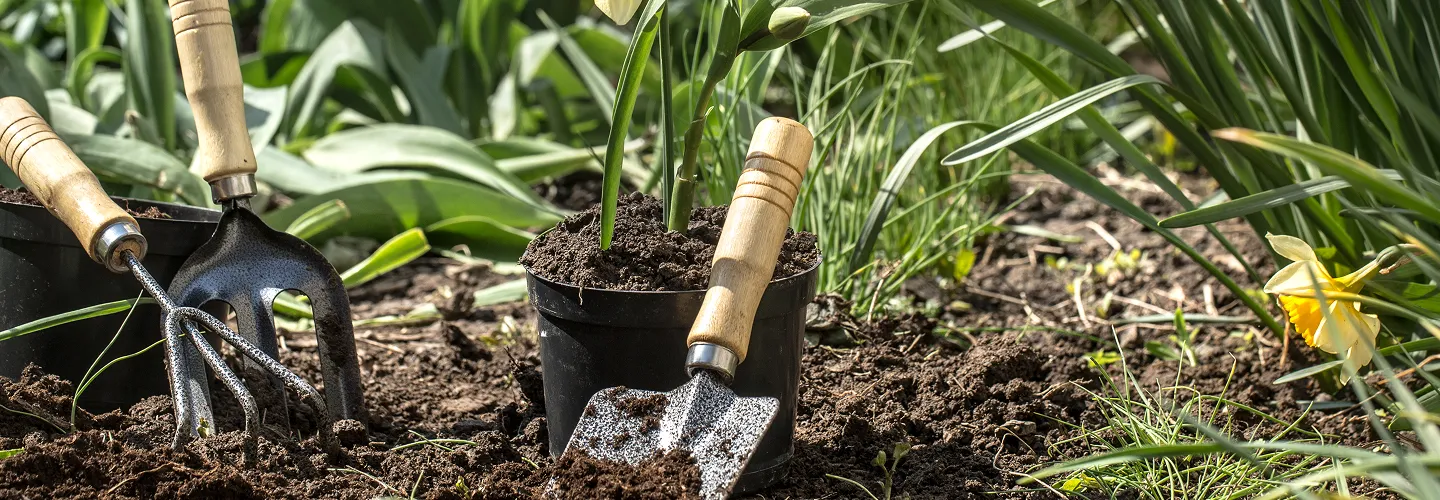
Bloomingdale Flower Bed Maintenance Services
Choose our expert Flower Bed Maintenance for lush, healthy blooms and a weed-free garden—enjoy professional care that saves you time and keeps your landscape looking its best year-round.
Get a Free QuoteOur Bloomingdale Landscaping & Yard Care Services
When to Schedule Flower Bed Maintenance in Bloomingdale, IL – Seasonal Guide
In Bloomingdale, IL, the best times to schedule flower bed maintenance are closely tied to our unique Midwest climate and the specific needs of local landscapes. Spring and early fall are generally optimal, as the last frost typically passes by late April and the first frost arrives in late October. This window allows for planting, mulching, and soil amendment when temperatures are moderate and rainfall is more predictable. Neighborhoods like Indian Lakes and Stratford Estates often experience microclimates due to mature tree canopies and proximity to water features, which can influence soil moisture and shade levels.
Local environmental factors such as heavy clay soils, common in areas near Old Town Park, and the risk of summer droughts mean that regular assessment is crucial. Humidity levels can fluctuate, especially near the West Branch DuPage River, impacting both plant health and pest activity. For the most up-to-date information on municipal guidelines and seasonal advisories, residents can consult the Village of Bloomingdale Official Website.
Local Factors to Consider for Flower Bed Maintenance in Bloomingdale
- Proximity to mature trees (affecting shade and root competition)
- Soil type (clay-heavy soils may require more frequent aeration)
- Average precipitation and drought risk
- Frost dates and seasonal temperature swings
- Terrain and drainage patterns (especially in hilly or low-lying neighborhoods)
- Municipal restrictions on watering or chemical use
- Local pest and disease pressures
By considering these local factors, you can ensure your flower beds remain healthy and vibrant throughout the growing season.
Benefits of Flower Bed Maintenance in Bloomingdale
Enhanced Curb Appeal
Weed and Pest Prevention
Healthier Plant Growth
Seasonal Color Variety
Professional Landscape Expertise
Increased Property Value
Bloomingdale Flower Bed Maintenance Types

Seasonal Flower Planting
-
Weed Control Services
-
Mulching and Soil Conditioning
-
Pruning and Deadheading
-
Fertilization Programs
-
Pest and Disease Management
-
Irrigation System Maintenance
Our Flower Bed Maintenance Process
Site Evaluation
Weed Removal
Soil Preparation
Plant Care
Mulching
Why Choose Bloomingdale Landscape Services
-
Bloomingdale Homeowners Trust Us
-
Expert Lawn Maintenance
-
Reliable Seasonal Care
-
Competitive Pricing
-
Professional Team
-
Satisfaction Guarantee
-
Personalized Service
Contact Bloomingdale’s Department of Public Works for Garden Debris Disposal & Municipal Composting Programs
Proper flower bed maintenance in Bloomingdale requires strict adherence to municipal garden debris disposal protocols. The Department of Public Works oversees seasonal yard waste collection (April–November), requiring biodegradable paper bags or rigid containers—never plastic—for healthy plant material suitable for composting, such as annual removals, perennial divisions, and deadheaded flowers. Diseased debris (e.g., powdery mildew, blight) must be bagged and sent to landfill, while invasive species (buckthorn, garlic mustard) require special containment and certified disposal. Finished municipal compost, available seasonally, is ideal for improving heavy clay soils. Fire safety is critical: maintain a 3–5 foot mulch setback from structures, use hardwood mulch, and follow moisture maintenance guidelines, especially during drought. For detailed schedules, permit requirements, and compost availability, contact:
Bloomingdale Public Works Department
201 S. Bloomingdale Rd, Bloomingdale, IL 60108
Phone: (630) 671-5800
Official Website: Bloomingdale Public Works Department
Professional Soil Assessment & Amendment Requirements for Bloomingdale’s Heavy Clay Soils
Soil testing is essential for successful flower bed maintenance in Bloomingdale’s Drummer silty clay loam soils. The University of Illinois Extension provides comprehensive analysis, revealing typical alkaline pH (7.0–8.5) that requires sulfur amendment (5–15 lbs/1,000 sq ft) to reach the optimal 6.0–7.0 range. Organic matter is often low (2–3%), necessitating 3–4 inches of compost incorporated into the top 8–12 inches of soil. Raised beds (8–12 inches) are recommended for improved drainage. Address site-specific challenges such as compaction (double-digging), salt damage (gypsum application), and contamination (lead testing near older structures). For soil testing resources, visit University of Illinois Extension and USDA Web Soil Survey.
Bloomingdale Environmental Commission Guidelines for Flower Bed Maintenance Near Protected Areas
Flower bed projects near wetlands or streams require coordination with the Environmental Commission to ensure compliance with buffer zone regulations (typically 10–25 feet). Protect tree root zones by avoiding cultivation within the drip line, and prioritize native, pollinator-friendly plants such as milkweed (Asclepias spp.), coneflower (Echinacea spp.), and asters (Symphyotrichum spp.). Delay perennial cutbacks until spring to protect overwintering insects. Employ erosion control measures—2–4 inches of organic mulch and silt fencing on slopes—to prevent runoff from clay soils. For guidance on buffer management and pollinator protection, contact:
Bloomingdale Environmental Commission & Conservation Initiatives
201 S. Bloomingdale Rd, Bloomingdale, IL 60108
Phone: (630) 893-7000
Official Website: Bloomingdale Environmental Commission & Conservation Initiatives
Integrated Pest Management & Plant Health Care Standards for Bloomingdale’s Climate Zone 5a-6a
Integrated Pest Management (IPM) is the foundation of plant health care in Bloomingdale. Prioritize cultural controls: select disease-resistant, Illinois-adapted plants, space for air circulation (12–18 inches), and water at the base to avoid leaf wetness. Mechanical controls include hand-weeding and shallow cultivation. Encourage beneficial insects with diverse plantings. Use chemical controls only as a last resort, following Illinois Department of Agriculture - Pesticide Regulations. Common issues include Japanese beetles (June–July), slugs (moist clay), powdery mildew (late summer), aphids, and iris borers. Sanitize tools with 70% isopropyl alcohol or 10% bleach between uses to prevent disease spread.
Seasonal Maintenance Calendar & Weather Coordination for Bloomingdale’s Growing Conditions
Bloomingdale’s Zone 5a-6a climate requires seasonally tailored maintenance. In spring (April–May), wait until soils are workable post-frost (mid-May), remove winter mulch, and divide perennials. Summer (June–August) brings heat (85–95°F); focus on deep, infrequent watering, deadheading, and pest monitoring. Fall (September–October) is optimal for dividing spring-bloomers and planting bulbs. Winter (November–March) demands protective mulching after ground freeze. Adjust irrigation and fertilization with seasonal transitions, and consult National Weather Service Chicago for weather-responsive scheduling. Plant-specific timing (e.g., bulbs in fall, annuals after May 15) is critical for success.
Bloomingdale Water Department Coordination for Efficient Irrigation & Conservation Compliance
Efficient irrigation is vital for flower beds in heavy clay soils. Coordinate with the Water Department for compliance with seasonal restrictions (odd/even schedules May–September). Drip irrigation and rain sensors are preferred to minimize evaporation and disease. Monitor soil moisture to avoid overwatering, and group plants by water needs (hydrozoning). Early morning watering (5–9 AM) is optimal. Permits and annual backflow prevention device testing may be required for irrigation systems. For water management details, contact:
Bloomingdale Water & Sewer Services
201 S. Bloomingdale Rd, Bloomingdale, IL 60108
Phone: (630) 671-5650
Official Website: Bloomingdale Water & Sewer Services
Professional Plant Selection, Installation & Replacement Standards for Sustainable Gardens
Select plants scientifically for Bloomingdale’s clay soils and Zone 5a-6a climate. Prioritize Illinois natives (e.g., Echinacea, Rudbeckia, Monarda, asters, milkweed) and pH-tolerant species. Ensure cold hardiness to -15°F and heat tolerance to 95°F+. Install at proper depth (crown at or above soil), using a 50/50 mix of native soil and compost. Space perennials 12–18 inches apart for air flow. Plant in spring (after mid-May) or fall (September–early October) for best establishment. Use nursery-grown, disease-free stock and follow establishment care protocols for warranty compliance.
Stormwater Management & Pollinator Protection in Compliance with Bloomingdale’s Environmental Initiatives
Flower bed maintenance must support MS4 stormwater permit requirements for the Lake Michigan watershed. Implement best management practices: apply fertilizers based on soil tests, use slow-release products, and avoid application before rain. Incorporate organic matter to improve infiltration and reduce runoff. Mulch for erosion control and nutrient retention. Integrate native plants to support pollinators and wildlife, contributing to biodiversity and climate action goals. Long-term benefits include carbon sequestration, air quality improvement, and urban heat island mitigation. For regulatory details, see Clean Water Act and Illinois EPA Water Quality & Watershed Management.
Municipal Coordination for Public Garden Maintenance & Community Beautification Programs
The Park District coordinates maintenance of public flower beds, seasonal displays, and community gardens. Residents can participate in Master Gardener programs, volunteer workshops, and plant donation initiatives. Public safety is prioritized by selecting non-toxic plants for high-traffic areas and scheduling maintenance to minimize disruption. Educational programs include demonstration gardens and school partnerships. For community involvement and public garden information, contact:
Bloomingdale Park District
172 S. Circle Ave., Bloomingdale, IL 60108
Phone: (630) 529-3650
Official Website: Bloomingdale Park District
What Neighborhoods Do We Serve Throughout Bloomingdale, IL?
Flower bed maintenance in Bloomingdale varies by neighborhood. Historic districts feature mature tree canopies (30–50% shade), requiring shade-tolerant, clay-adapted plants and lead testing. Newer developments offer full sun but may have construction debris and compacted soils. Areas near forest preserves (DuPage County Forest Preserve District) require native plant integration and invasive species vigilance. Prairie-exposed western neighborhoods face higher wind and evapotranspiration, demanding drought-tolerant selections. Urban heat islands in denser areas increase irrigation needs, while proximity to Lake Michigan moderates spring and winter temperatures. HOA guidelines and parkway maintenance responsibilities also influence practices. Always call JULIE 811 - Call Before You Dig before any digging.
Bloomingdale Municipal Ordinances for Garden Maintenance Equipment Operation & Commercial Service Standards
Municipal ordinances regulate garden maintenance equipment operation (typically 7 AM–9 PM weekdays, 8 AM–9 PM Saturdays; verify Sunday restrictions). Commercial contractors must be licensed and certified, with pesticide applications requiring compliance with Illinois Department of Agriculture - Pesticide Regulations. Public safety protocols include proper signage, equipment storage, and adherence to re-entry intervals after chemical use. For code details and licensing, contact:
Bloomingdale Community Development Department
201 S. Bloomingdale Rd, Bloomingdale, IL 60108
Phone: (630) 671-5694
Official Website: Bloomingdale Community Development Department
By following these best practices and coordinating with Bloomingdale’s municipal departments, residents and professionals can maintain vibrant, sustainable flower beds that enhance community beauty, protect the environment, and comply with all local and state regulations.